

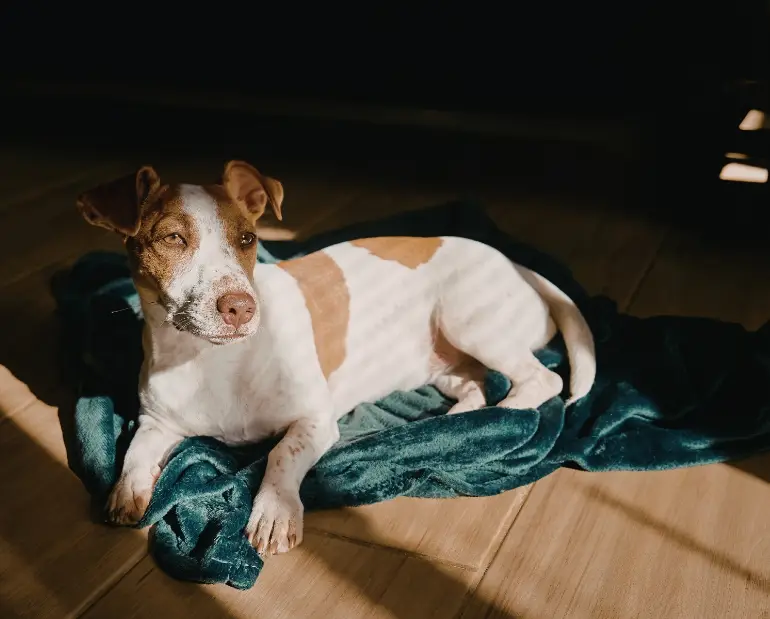
Lighting is one of the most crucial elements in photography. In animal photography, it can make or break the shot. Whether you’re capturing wildlife in their natural habitat or photographing pets, understanding how to use light effectively can enhance your images by bringing out your subject’s natural beauty and details. At MoriiHub, we recognize the power of lighting in photography and offer a dynamic platform where photographers can showcase and sell their work. Here are some tips for using light to elevate your animal photographs.
1. Utilize Natural Light for Authenticity
Natural light is one of the most beautiful and flattering light sources for animal photography. Outdoor shoots with natural light offer soft, diffused light that brings out the best in your subject. The “golden hour,” which occurs during the early morning or late afternoon, provides a warm, soft light that is perfect for capturing the intricate details of an animal’s fur, feathers, or skin. This time also produces softer shadows and highlights, creating a more flattering, natural image. For MoriiHub photographers, capturing moments during golden hour adds warmth and emotion to their work, drawing the viewer in.
2. Experiment with Backlighting for Silhouettes
Backlighting occurs when the light source is behind the subject, creating a silhouette effect. This technique works wonderfully with animals, especially when capturing dramatic or striking compositions. Backlighting can highlight an animal’s outline and create a strong, eye-catching image. To achieve this effect, place your subject between the light source (such as the sun or a studio light) and your camera, ensuring that the light shines through the animal’s outline while the rest of the image remains dark. It’s perfect for animals with distinctive shapes, such as birds in flight or horses running.
3. Use Soft Light for Portraits
Soft light is particularly useful for animal portraits, as it reduces harsh shadows and softens the subject’s features. If you’re photographing pets or zoo animals up close, diffused natural light or softbox lighting in the studio will create an even illumination that brings out the finer details without overpowering the subject. This soft light is ideal for showing texture in fur or feathers, ensuring a clear, vibrant photograph.
4. Side Lighting for Texture and Depth
Side lighting can add depth and dimension to your animal photographs. This technique involves placing the light source to the side of the animal, highlighting texture and details. For example, side lighting works great for capturing the fine fur on a cat’s coat or the rough textures of an elephant’s skin. The shadows created by side lighting enhance the subject’s features, giving your photograph a more three-dimensional feel.
5. Avoid Harsh, Direct Light
While light is essential, harsh direct light can cause overexposure, deep shadows, and unflattering highlights, especially in animals with light or reflective fur. If you’re shooting outdoors, be mindful of midday sun, which can create overly sharp shadows and wash out the details. Use natural shade, or incorporate reflectors to bounce soft light onto your subject and reduce harsh contrasts.
Conclusion
Light is one of the most powerful tools in photography, and learning how to use it to enhance animal portraits can make your images stand out. Whether you’re working with natural light, backlighting, or soft studio lighting, understanding how light affects your subject will help you capture stunning animal photographs that convey emotion, texture, and beauty. At MoriiHub, we support photographers passionate about mastering light to create captivating images that tell powerful stories about the animal world.
#MoriiHub #AnimalPhotography #LightingTips #WildlifePhotography #PhotographyTechniques #NaturalLight #Backlighting #PetPhotography #PhotographyCommunity #CreativePhotography #Photographers

