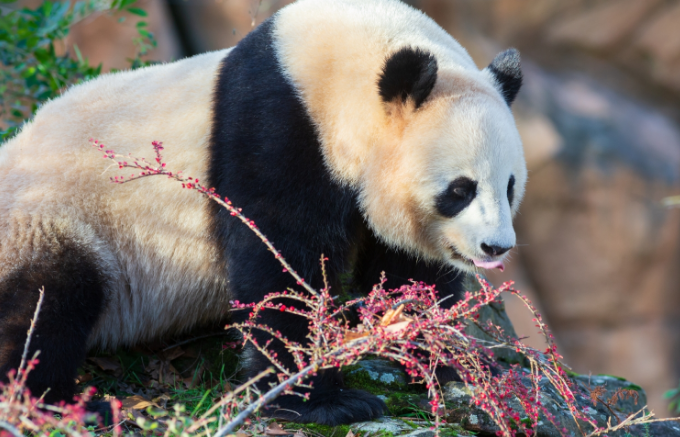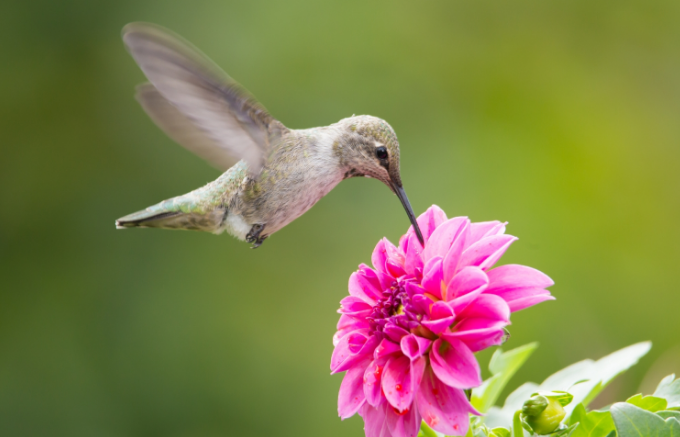

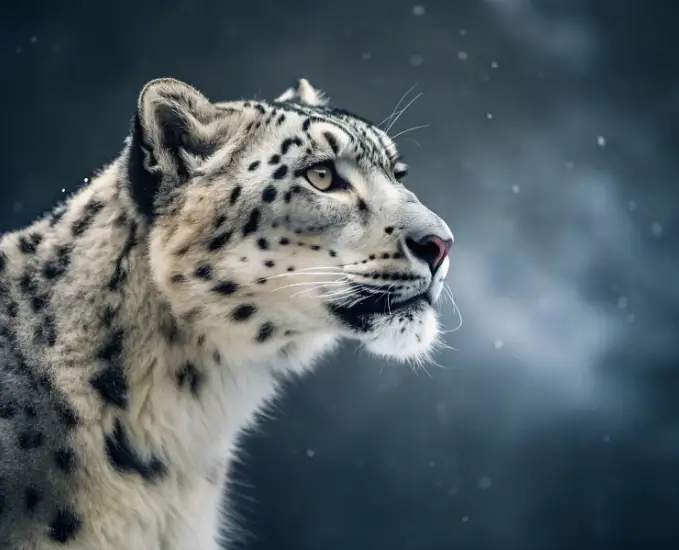
Natural light is one of the most powerful tools in photography. Animal portraits can create a soft, flattering effect that enhances the subject’s features and brings out the richness of their colors. Whether you’re capturing a wild animal in its natural habitat or photographing a beloved pet, mastering natural light can elevate your images and create striking, memorable portraits. At MoriiHub, we provide a platform where photographers can share and showcase their animal portraits, and we understand that the key to breathtaking animal photography often lies in the careful use of light.
1. Utilize the Golden Hour
The golden hour, which occurs just after sunrise and before sunset, provides some of the most flattering light for animal portraits. During this time, the light is soft, warm, and diffused, creating a beautiful glow that adds depth to the photo. The long shadows and rich tones of the golden hour bring out the texture of fur, feathers, and skin, resulting in images that feel natural and vibrant. For MoriiHub photographers, shooting during this time can provide ideal lighting for stunning, high-quality animal portraits.
2. Soft, Indirect Light for Gentle Portraits
While the golden hour is ideal for capturing animals, you can also use softer, indirect light for portraits with a more subdued, tranquil feel. On cloudy or overcast days, the light is naturally diffused, eliminating harsh shadows and creating a soft, even illumination. This type of light is particularly flattering for close-up shots of animals, where details like fur texture and the subtle play of light on the subject’s face are more pronounced. Whether you’re shooting indoors near a window or outdoors on a cloudy day, take advantage of this soft light to create gentle, intimate portraits.
3. Use Shadows to Add Depth and Dimension
Natural light doesn’t always have to be soft and even; sometimes, playing with shadows can add an artistic touch to your animal portraits. By positioning your subject so that light casts interesting shadows on their body or face, you can create a sense of depth and dimension. Shadows accentuate an animal’s contours and shapes, making the portrait more dynamic. Experiment with light angles and placement to create contrast and texture in your shots.
4. Backlighting for Silhouettes
Backlighting can be an excellent technique when capturing the shape and outline of animals. Position your subject between the light source (such as the sun) and your camera to create a silhouette. This technique works particularly well for animals with distinctive shapes, such as birds in flight or mammals like horses. The animal’s glowing edges add drama and can highlight its silhouette, creating a powerful, visually striking image.
5. Positioning for the Best Lighting
When working with natural light, positioning is key. Always pay attention to the direction of the light, whether it’s coming from the side, front, or back. The light should fall gently on the subject, and you should avoid direct sunlight unless you’re specifically aiming for a high-contrast effect. Adjusting your position and the animal’s position relative to the light can drastically change the final result.
Conclusion
Natural light can transform animal portraits, making them more vibrant, lifelike, and engaging. By using the golden hour, soft lighting, creative shadows, and backlighting, you can capture stunning images that highlight your subject’s personality and beauty. At MoriiHub, we support photographers who harness natural light to create breathtaking animal portraits that connect with audiences and inspire appreciation for wildlife and pets alike.
#MoriiHub #AnimalPhotography #NaturalLight #WildlifePhotography #PhotographyTips #GoldenHour #AnimalPortraits #CreativePhotography #PhotographyCommunity #PetPhotography #NaturePhotography