

Underwater animal photography is a fascinating and unique genre that allows photographers to explore and capture the mesmerizing world beneath the waves. From colorful fish to majestic marine mammals, the ocean is home to countless creatures that make for breathtaking subjects. However, photographing wildlife in such an environment presents its own set of challenges. Here’s a guide to help you get started with underwater animal photography and capture the beauty of ocean life.
1. Choose the Right Equipment
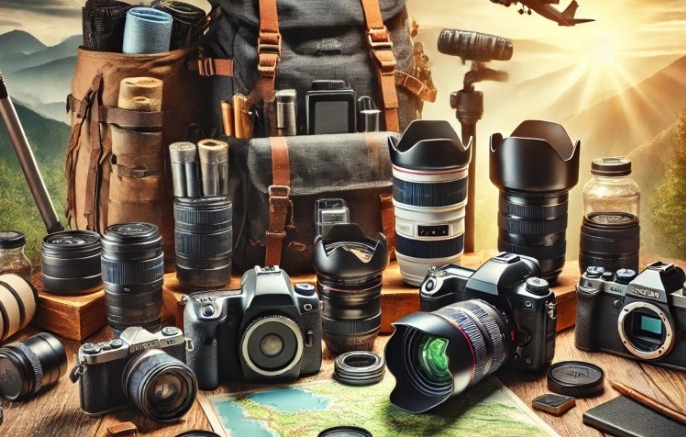
The first step in underwater photography is selecting the right gear. A waterproof camera or a camera in a waterproof housing is essential to protect your equipment from water damage. Many professional underwater photographers use DSLRs or mirrorless cameras, but compact cameras with underwater settings can also do the job for beginners. Pair your camera with a wide-angle lens to capture larger scenes and a macro lens to capture smaller creatures like seahorses and shrimp.
2. Master Your Buoyancy
Reasonable buoyancy control is essential when taking underwater photos. By achieving neutral buoyancy, you can hover in one spot without floating to the surface or sinking to the ocean floor. This will help you maintain a steady hand and avoid disturbing the marine life. Practice in a pool or shallow water before venturing deeper into the ocean to get comfortable with your buoyancy.
3. Use Natural Light Wisely
Underwater light behaves differently from light above the surface, and the deeper you go, the less natural light there is. While shallow waters can offer beautiful sunlight streaming through, deeper waters may require artificial lighting, such as strobes or underwater flashes. If you’re photographing shallow ocean life, make the most of the natural light, but be prepared for reduced visibility as you go deeper.
4. Get Close to Your Subject
Underwater animals can be elusive, so patience is key. To capture sharp, detailed shots, get as close as possible to your subject without disturbing it. Some animals, like fish and turtles, may swim away if you approach too quickly. Move slowly and let the creatures come to you. The closer you get, the better your chances of capturing stunning, intimate images.
5. Respect the Ocean and Its Creatures
Always remember to respect the marine environment and its inhabitants. Avoid touching or disturbing the animals, as this can cause stress or harm. Follow ethical practices and ensure your presence doesn’t disrupt the delicate balance of the underwater ecosystem.
Underwater animal photography opens up a whole new world of beauty and discovery. By using the right equipment, mastering buoyancy, and respecting the creatures you photograph, you can capture breathtaking images that showcase the wonders of ocean life.
#UnderwaterPhotography #MarineLife #OceanPhotography #WildlifePhotography #UnderwaterAnimals #OceanConservation #MarineConservation #OceanExploration #PhotographyTips