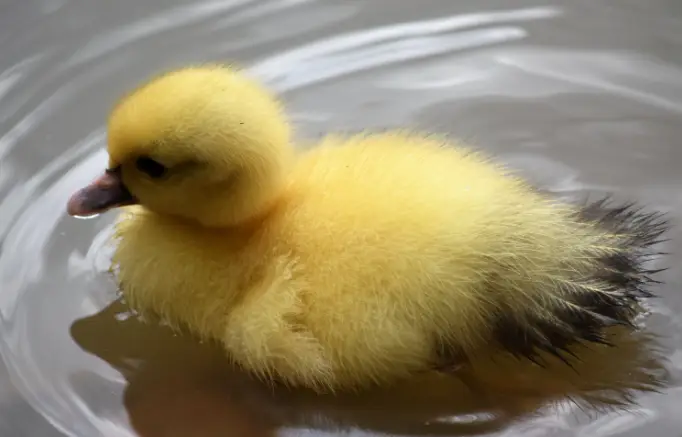

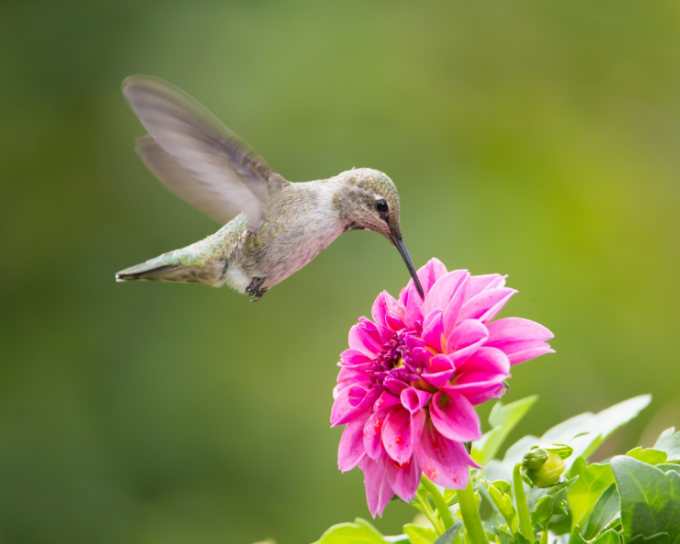
Bird photography is a rewarding but challenging niche within wildlife photography. Birds are fast-moving, often skittish, and can be challenging to approach. However, with the proper techniques and a bit of patience, capturing stunning images of birds in their natural habitat is achievable. Here’s a beginner’s guide to help you get started with bird photography.
1. Choose the Right Gear
To start bird photography, the most essential piece of equipment is your camera. A DSLR or mirrorless camera with a fast autofocus system is ideal. Birds move quickly, so you’ll need a camera that can track their motion. Pair your camera with a telephoto lens, preferably in the 300 mm to 600 mm range, so you can capture birds from a distance without disturbing them. A tripod or monopod can also help with stability, especially when using long lenses.
2. Understand Bird Behavior
Understanding birds’ behavior is key to getting the perfect shot. Different species have different routines, such as when they feed, migrate, or rest. For example, shorebirds are often most active during low tide, while songbirds may be more active at dawn. By learning about the species you’re photographing, you can anticipate their movements and position yourself accordingly. Patience is crucial, as birds don’t always follow a predictable schedule.
3. Use Fast Shutter Speeds
Birds tend to move quickly, whether they’re flying, hunting, or hopping between branches. To capture sharp, detailed images, use a fast shutter speed. A setting of 1/1000s or faster will help freeze their motion, especially during flight. If you’re photographing birds perched or foraging on the ground, you can use slightly slower shutter speeds, but a fast shutter is always recommended for action shots.
4. Shoot in Burst Mode
Birds rarely stay still for long, so taking multiple shots in quick succession can increase your chances of getting the perfect image. Set your camera to burst or continuous mode to capture a series of images in a short burst. This way, you won’t miss critical moments like a bird taking flight or catching food.
5. Focus on the Eyes
When photographing birds, make sure the eyes are in sharp focus. The eyes are the most essential feature in any wildlife portrait, creating a connection between the subject and the viewer. Many modern cameras come with eye-tracking autofocus, which can make it easier to focus on the bird’s eyes while they move.
6. Be Respectful and Patient
Birds can be sensitive to human presence. Always maintain a respectful distance and avoid disturbing their natural behaviors. Use your knowledge of their behavior and patience to wait for the right moment to capture their essence without causing them stress.
Bird photography may seem challenging at first, but with the right equipment, knowledge, and patience, it’s a gratifying pursuit. By following these beginner tips, you’ll be well on your way to capturing stunning images of our feathered friends.
#BirdPhotography #WildlifePhotography #NaturePhotography #Birdwatching #PhotographyTips #BeginnerPhotography #BirdsInNature #WildlifePhotographyTips #NatureLovers